
Line Tracing Worksheets
Before kids can write letters, they need to know how to control a pencil. These worksheets let kids trace straight lines, curvy lines, and zigzags with fun pictures along the way. Pick a sheet, print it, and start tracing!
Looking for more tracing practice? Visit all our Tracing worksheets.
You are browsing category Line show all
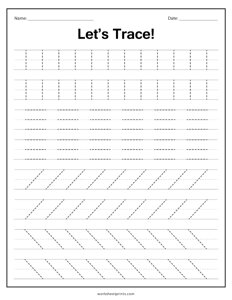
Let's Trace the Lines - #1
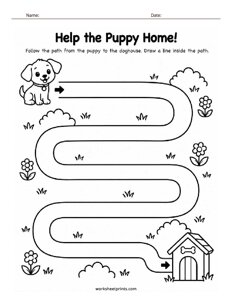
Help Reach Puppy Home
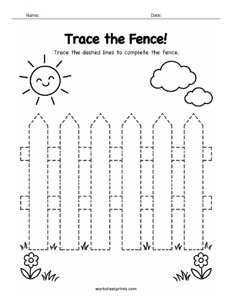
Trace the Fence
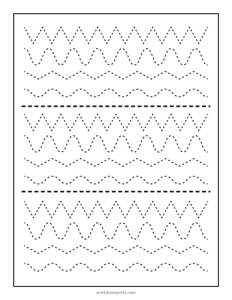
Trace the Lines
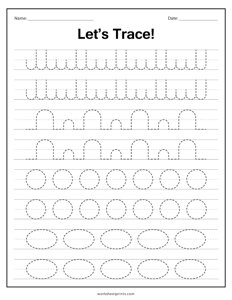
Let's Trace the Lines - #8
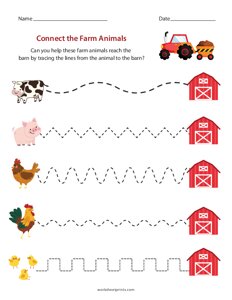
Farm Animals Tracing
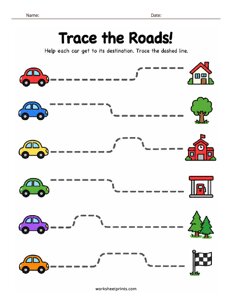
Trace the Roads
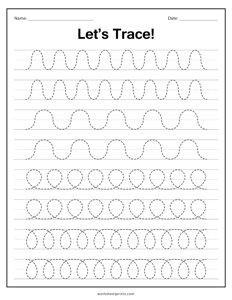
Let's Trace the Lines - #5
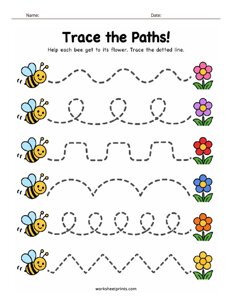
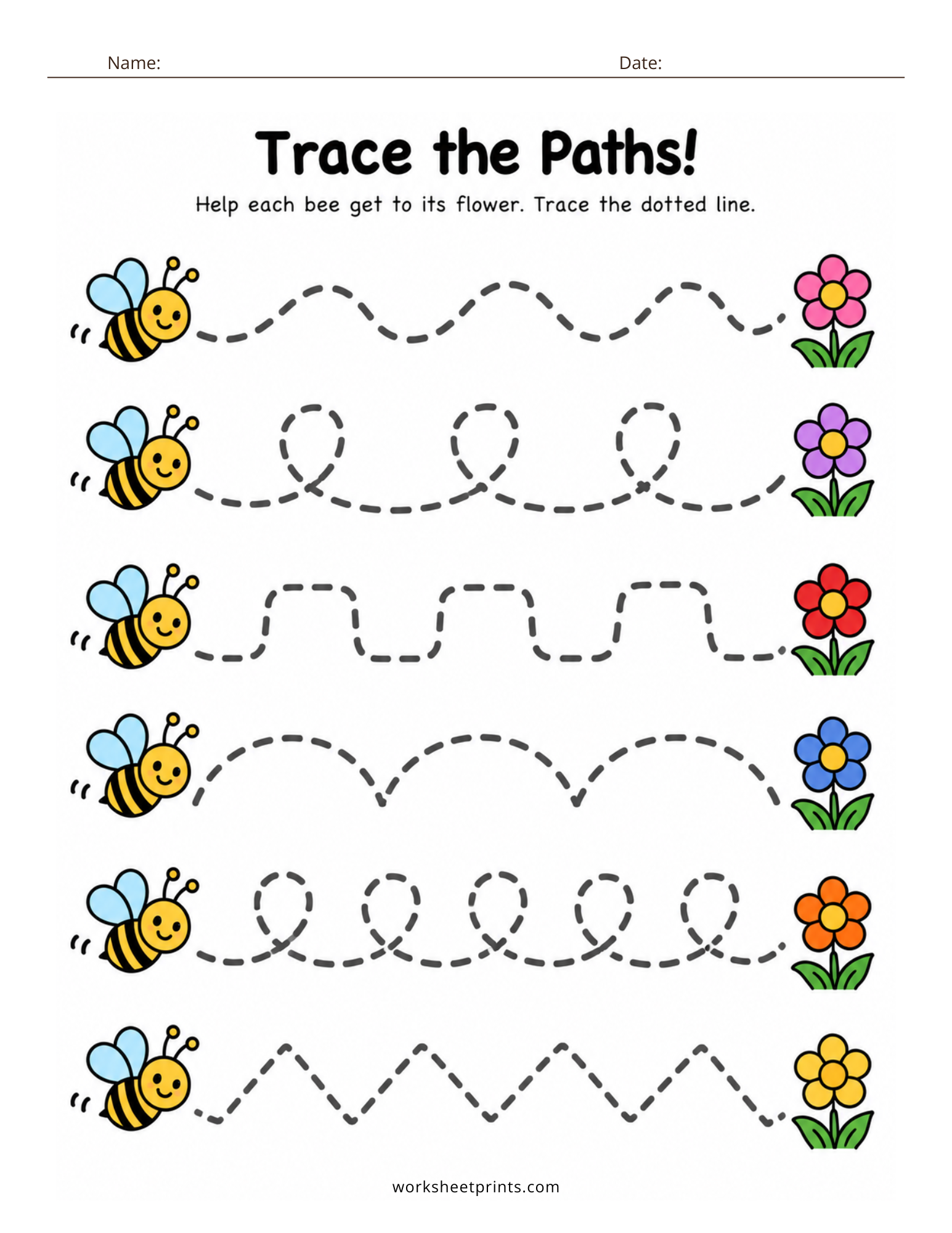
Trace the Bee's Path
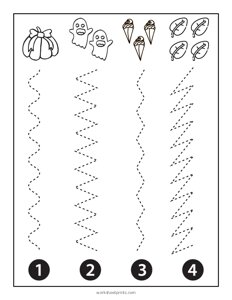
Trace the Lines to Reach the Mark
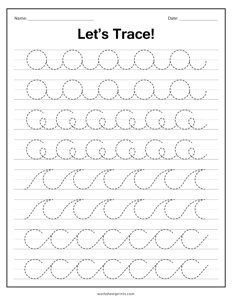
Let's Trace the Lines - #7
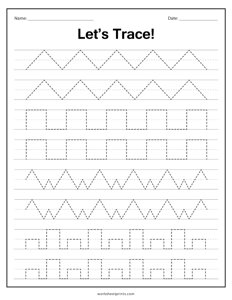
Let's Trace the Lines - #2
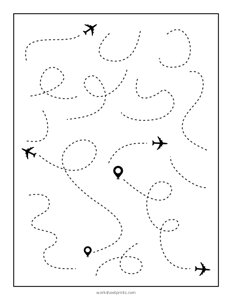
Trace the Zigzag Lines - Aeroplane
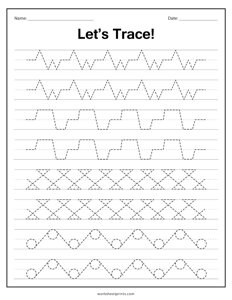
Let's Trace the Lines - #3
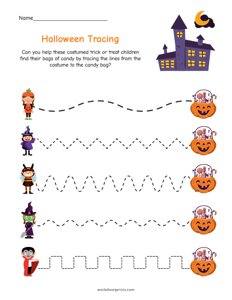
Halloween Tracing
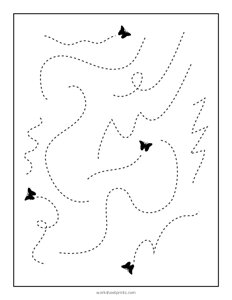
Trace the Lines - Butterflies
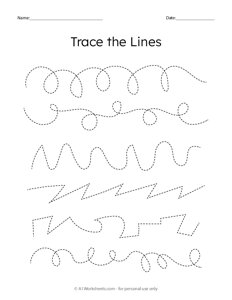
Line Tracing - Zigzag Lines - #1
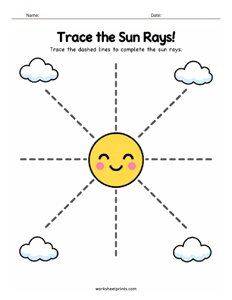
Trace the Sun Rays
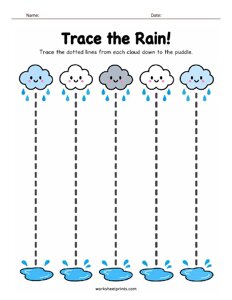
Trace the Rain
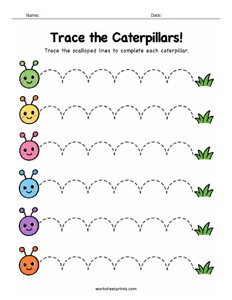
Trace the Caterpillars
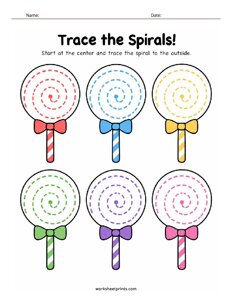
Trace the Lollipop Spirals
Why Line Tracing Matters
It Builds Hand Control
Tracing a line teaches small hand muscles to move slowly and stay on track. This is the same control kids need to write letters and numbers.
It Comes Before Letters
Every letter is really just lines and curves put together. A child who can trace a straight line and a curved line is ready to trace an A or a 1.
It Builds Focus
Staying on the line takes concentration. Kids learn to slow down and pay attention, a skill that helps with every subject later on.
Our Line Tracing Worksheets
Each sheet has one type of line to trace, with a picture that makes it fun. Start with straight lines, then move to wavy lines and zigzags as your child gets more confident. Print a few, or work through the whole set one at a time.
Easy Ways to Practice at Home or in Class
Start Big
Before pencil and paper, trace lines in the air, in sand, or with a finger on a table. Big movements come first.
Hold the Pencil Right
Show your child how to hold the pencil between the thumb and first two fingers. A shorter pencil or a fat crayon can make this easier for small hands.
Go Slow
There's no rush. A slow, wobbly line still counts. Speed comes later.
Keep It Short
One sheet a day is plenty. Stop while it's still fun.
Frequently Asked Questions
What age should kids start line tracing?
Most kids can start around age 3, and get more control by ages 4 and 5. Every child moves at their own pace.
My child keeps going off the line. Is that normal?
Yes! Staying exactly on the line takes lots of practice. What matters most is that they're trying and having fun.
What's the difference between line tracing and letter tracing?
Line tracing practices the basic strokes, like straight lines, curves, and zigzags. Letter tracing puts those strokes together to form real letters. Line tracing usually comes first.
Are these worksheets free?
Yes! Download and print as many as you need for home or the classroom.
