
Free Science Worksheets for Kids
Our free printable science worksheets introduce kids to the natural world through hands-on, visual activities. Younger learners can explore animals, the five senses, and weather, while older kids can dive into the solar system, plant and animal life cycles, and the human body. Every worksheet downloads as a ready-to-print PDF.
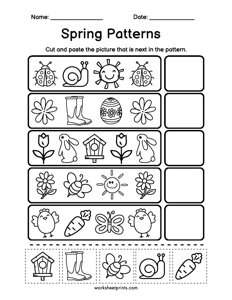
Spring Patterns - What Comes Next?
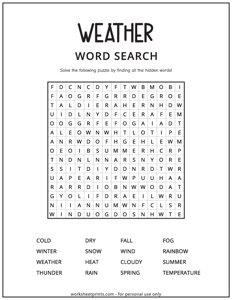
Weather Word Search
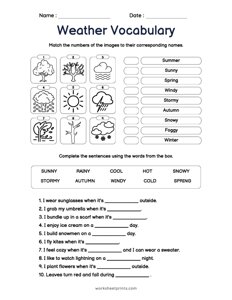
Weather Vocabulary
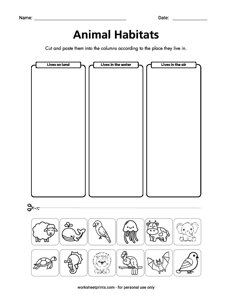
Sort the Animal Habitats
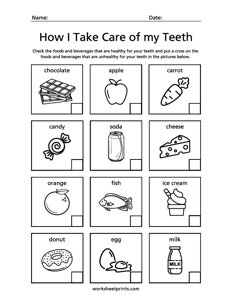
How I Take Care of my Teeth
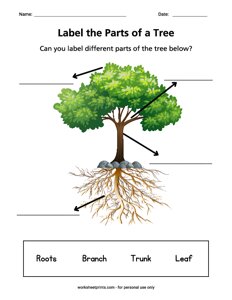
Label the Parts of a Tree
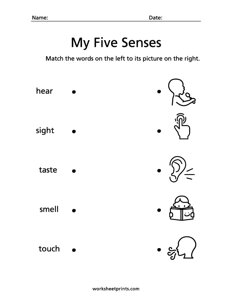
Match the Five Senses
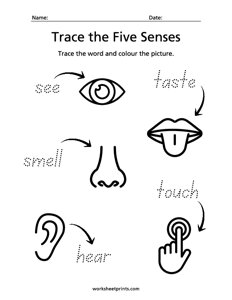
Trace the Five Senses
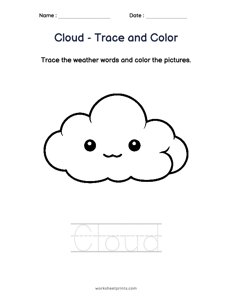
Cloud - Trace and Color
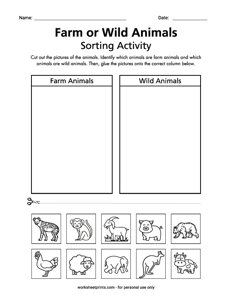
Farm or Wild Animals Sorting
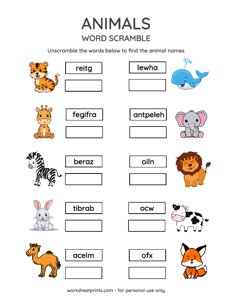
Animals Word Scramble
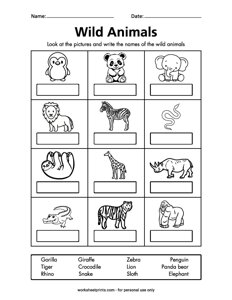
Wild Animal Names - #1
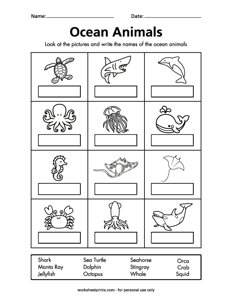
Ocean Animal Names - #1
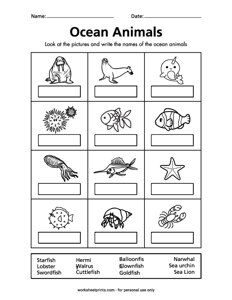
Ocean Animal Names - #2
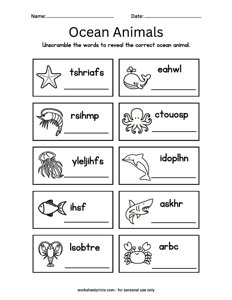
Ocean Animals Word Scramble
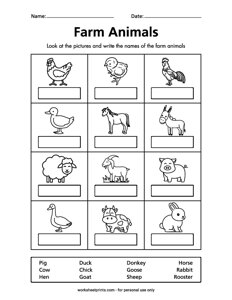
Farm Animal Names - #1
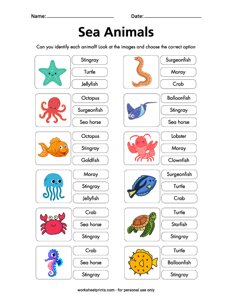
Identify these Sea Animals
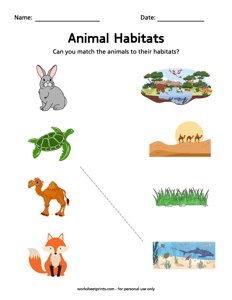
Match the Animal Habitats
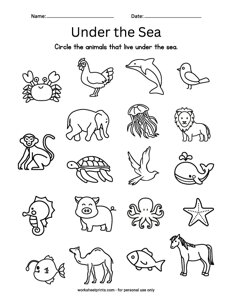
Under the Sea Animals
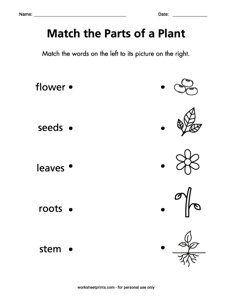
Match the Parts of a Plant
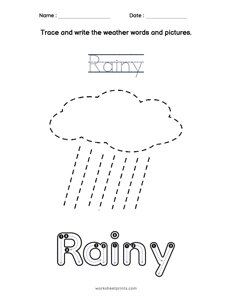
Rainy - Trace and Write
Explore Science Worksheets by Topic
Living Things & Animals
Our animals worksheets cover animal classification, habitats, and life cycles, helping kids build observation skills while learning about the natural world around them.
Human Body & Five Senses
Five senses worksheets introduce sight, sound, smell, taste, and touch through simple matching and labeling activities, often one of the first science topics kids encounter in preschool and kindergarten.
Weather
Our weather worksheets help kids identify and describe different weather types and seasonal patterns, connecting classroom science to what they observe outside every day.
Solar System
Solar system worksheets take older elementary students through the planets, the sun, and basic space science concepts, building curiosity about astronomy through labeling and fact-based activities.
Science Worksheets FAQ
What science topics are appropriate for kindergarten vs. 3rd grade?
Kindergarten science worksheets typically focus on concrete, observable topics like the five senses, weather, and animals. By 3rd grade, kids are ready for more abstract concepts like the solar system, life cycles, and basic physical science, building on the observation skills developed earlier.
How can I make science worksheets more engaging for young kids?
Pairing a worksheet with a related hands-on activity, like observing clouds after a weather worksheet, or looking at real photos of animals after an animal worksheet, helps make abstract concepts more concrete and keeps young learners engaged.
Do these worksheets follow a specific science curriculum?
Our worksheets are organized by common elementary science topics rather than tied to one specific curriculum or standard, making them a flexible supplement to classroom lessons, homeschool programs, or general at-home learning.
What's a good age to introduce solar system worksheets?
Most kids are ready for basic solar system concepts, like naming the planets or understanding day and night, by around 1st or 2nd grade, with more detailed astronomy topics introduced in 3rd grade and up.
