
Free Reading & Writing Worksheets for Kids
Our free printable reading and writing worksheets take kids from first pencil strokes to confident sentence writing. Preschool and kindergarten worksheets focus on letter formation and early tracing, while grade 1–5 worksheets build grammar, spelling, and vocabulary and sight word skills. Every worksheet downloads as a ready-to-print PDF.
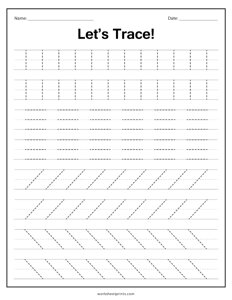
Let's Trace the Lines - #1
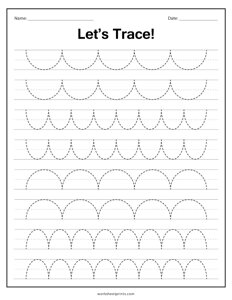
Let's Trace the Lines - #4
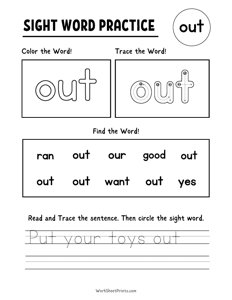
Sight Words Worksheet - Out
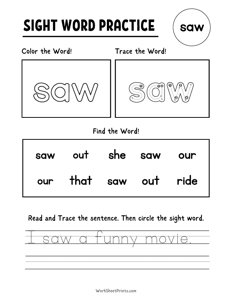
Sight Words Practice - Saw
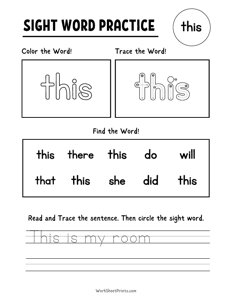
Sight Words Worksheet - This
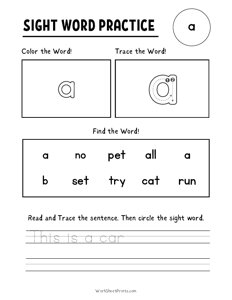
Sight Word Practice - A
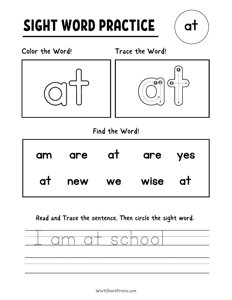
Sight Word Practice - At
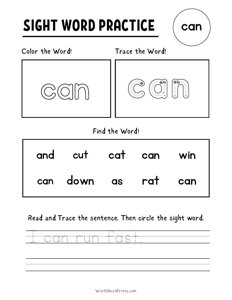
Sight Word Practice - Can
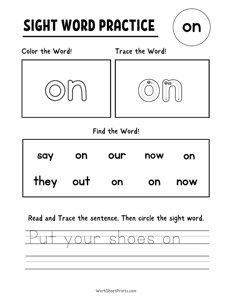
Sight Words Practice - On
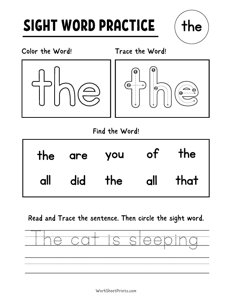
Sight Words Worksheet - The
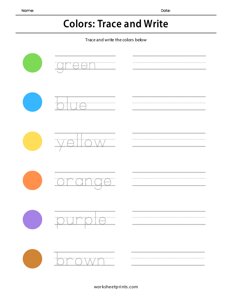
Colors: Trace and Write
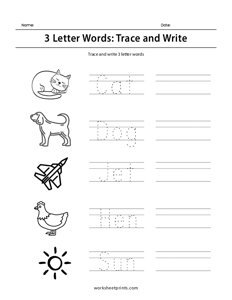
3 Letter Words: Trace and Write - #2
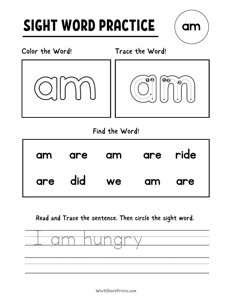
Sight Word Practice - Am
Leprechaun's Hat - Trace and Color
All About Me
Books to Read
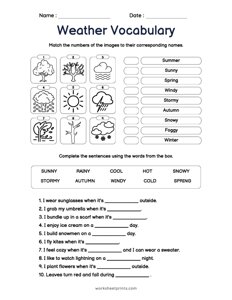
Weather Vocabulary
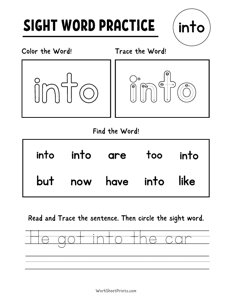
Sight Words Worksheet - Into
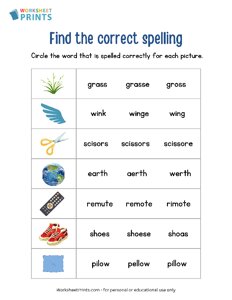
Spelling Practice
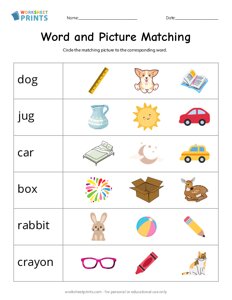
Match Pictures to Words
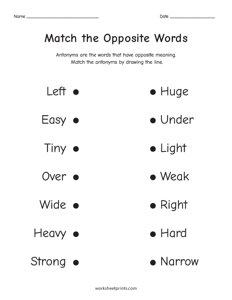
Antonyms Worksheet - #3
Explore Reading & Writing Worksheets by Topic
Early Writing & Letter Formation
Our letter formation worksheets help preschool and kindergarten kids build the pencil control and muscle memory needed for handwriting, using guided tracing and repetition before moving into full sentence writing.
Grammar
Our grammar worksheets cover core skills like punctuation, parts of speech, and sentence structure, giving elementary students steady, grade-appropriate practice that reinforces what's taught in the classroom.
Spelling
Spelling worksheets build word recognition and recall through repetition, word families, and pattern-based exercises, helping kids move from sounding out words to spelling them automatically.
Vocabulary & Sight Words
Our sight words worksheets help early readers recognize common high-frequency words by sight, a key step toward reading fluency, while broader vocabulary worksheets expand word knowledge for older elementary students.
Reading & Writing Worksheets FAQ
What's the best way to teach letter formation to a preschooler?
Start with large, guided tracing lines before moving to standard worksheet-sized letters. This helps kids build muscle memory and pencil control before precision matters. Short, frequent practice sessions work better than long ones for this age group.
When should kids start learning sight words?
Most kids begin learning sight words in kindergarten alongside phonics instruction, since sight words include common words that don't follow regular spelling patterns and need to be recognized by memory rather than sounded out.
How can I help my child with grammar at home?
Short, regular practice with grade-appropriate grammar worksheets, covering things like punctuation, parts of speech, and sentence structure, reinforces classroom lessons and helps identify specific areas where a child needs more repetition.
What's the difference between spelling and sight word practice?
Sight word practice focuses on recognizing common words instantly, often ones that don't follow standard spelling rules. Spelling practice focuses on understanding word patterns and rules so kids can spell new, unfamiliar words correctly on their own.
