
Free Phonics Worksheets for Kindergarten & 1st Grade
Our free printable phonics worksheets help kids connect letters to sounds, a core building block for reading fluency. Start with beginning sounds, move into CVC words and rhyming practice, and build toward vowel sounds and digraphs. Every worksheet downloads as a ready-to-print PDF.
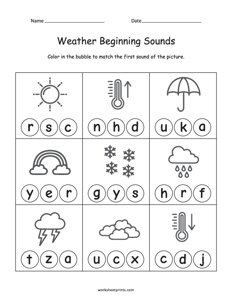
Circle the Beginning Sound - #3
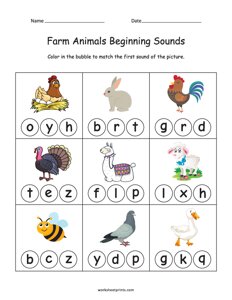
Circle the Beginning Sound - #5
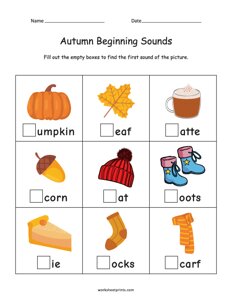
Write the Beginning Sound - #1
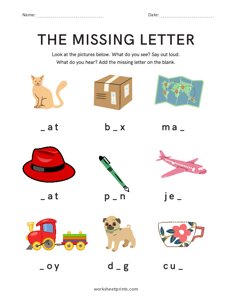
Write the Missing CVC Letters
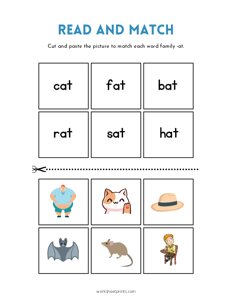
CVC Read and Match - AT
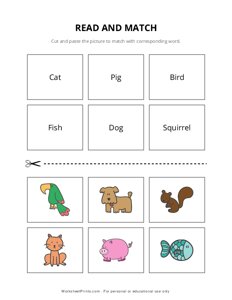
Read and Match - Cute Animals
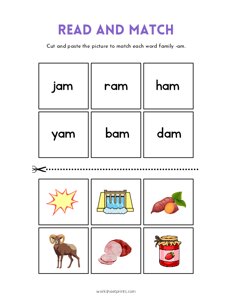
CVC Read and Match - AM
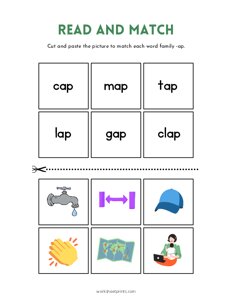
CVC Read and Match - AP
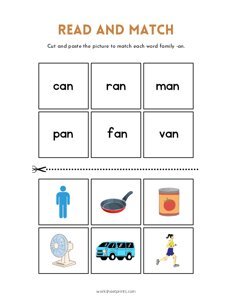
CVC Read and Match - AN
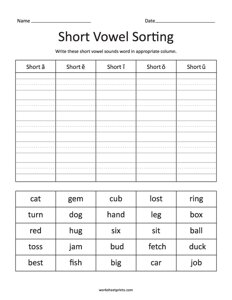
Short Vowel Sorting
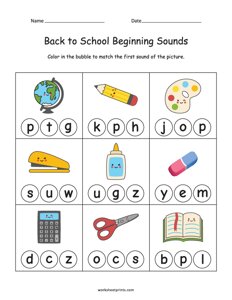
Circle the Beginning Sound - #2
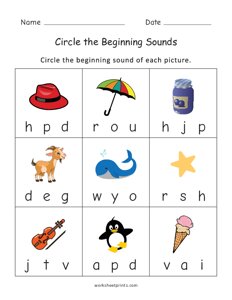
Circle the Beginning Sound - #8
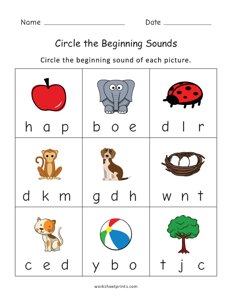
Circle the Beginning Sound - #7
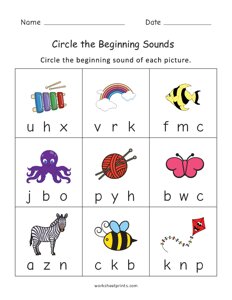
Circle the Beginning Sound - #9
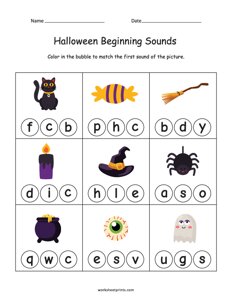
Circle the Beginning Sound - #1
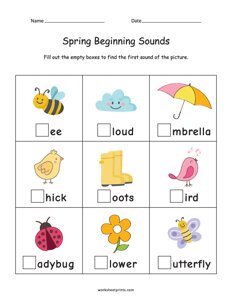
Write the Beginning Sound - #3
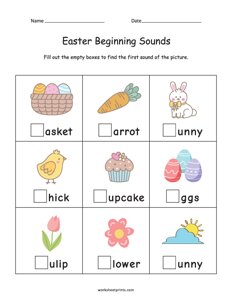
Write the Beginning Sound - #4
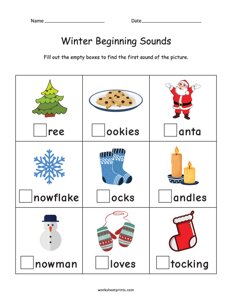
Write the Beginning Sound - #2
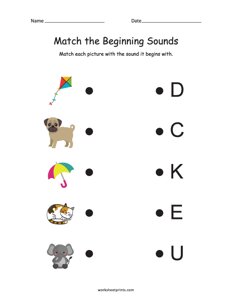
Match the Beginning Sound - #2
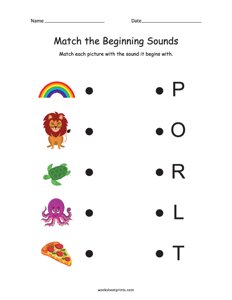
Match the Beginning Sound - #4
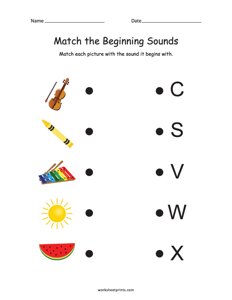
Match the Beginning Sound - #3
Explore Phonics Worksheets by Topic
Beginning Sounds
Our beginning sounds worksheets help kids find the first sound in a word. This is usually the first phonics skill children learn and helps them sound out new words.
CVC Words
CVC (consonant-vowel-consonant) word worksheets let kids practice blending simple three-letter words like "cat" and "dog." This is an important step toward reading on their own.
Rhyming
Our rhyming worksheets help kids hear and work with sounds in words. They use matching and pattern activities to build these skills.
Vowel Sounds
Vowel sounds worksheets help kids tell the difference between short and long vowel sounds. Many early readers need extra practice with this before it feels easy.
Phonics Worksheets FAQ
When should my child start phonics worksheets?
Most children begin learning phonics in kindergarten, around age 5, once they know their letters. Some children are ready for simple beginning-sound activities as early as preschool. If your child shows interest, it is fine to start earlier.
What's the difference between phonics and sight words?
Phonics helps children sound out words by matching letters to their sounds, which works for most words spelled in regular ways. Sight words are common words that do not follow typical phonics rules and must be memorized. Most reading programs teach both at the same time.
How do I know if my child needs more phonics practice?
If your child often guesses words by looking at the first letter or picture instead of sounding them out, or has trouble blending sounds into a whole word, extra practice with beginning sounds and CVC word worksheets can help.
What order should phonics skills be taught in?
Most programs start with single letter sounds, then move to beginning and ending sounds, blending short CVC words, rhyming, digraphs, and long vowel sounds. This order helps children build strong basic skills before learning harder ones.
