
Time & Calendar Worksheets
Our free time and calendar worksheets help kids build two related skills: reading a clock and understanding the calendar. Start with telling time, whole hours, half hours, and beyond, practice drawing the time on a clock face, and build calendar skills with our calendar worksheets covering days of the week and months of the year.
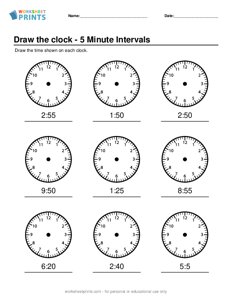
Draw the Clock - 5 Minute - #4
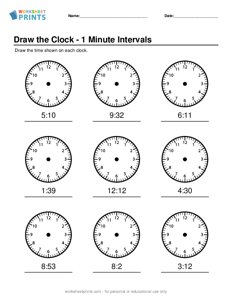
Draw the Clock - 1 Minute - #3
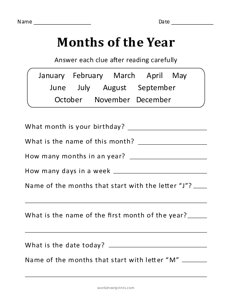
Months of the Year Questions - #2
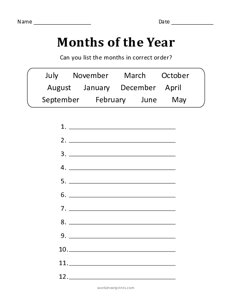
List the Months in Correct Order
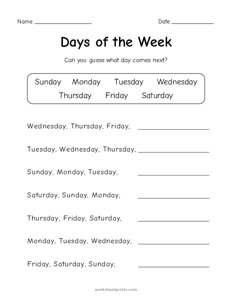
What day comes next ...
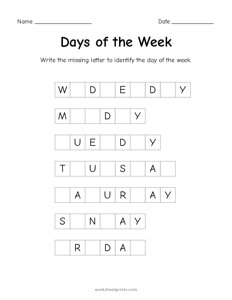
Write the Missing Letter of the Day
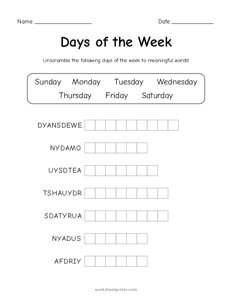
Unscramble Days of the Week
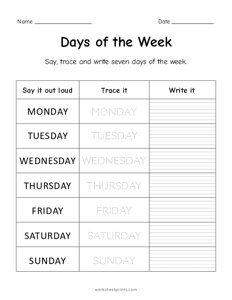
Say, Trace and Write Days of the Week
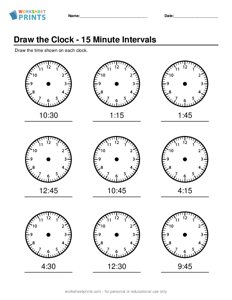
Draw the Clock - 15 Minute - #4
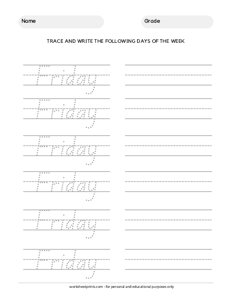
Friday - Days of the Week Tracing
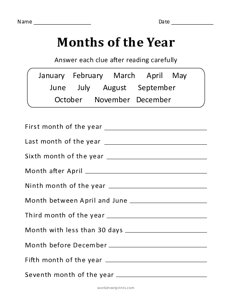
Months of the Year Questions - #1
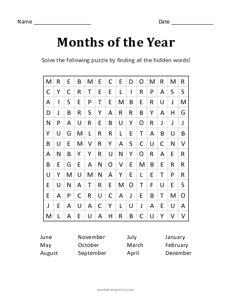
Months of the Year: Word Search
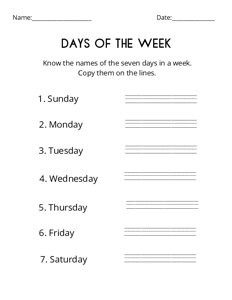
Days of the Week
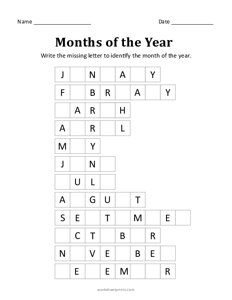
Write the Missing Letter
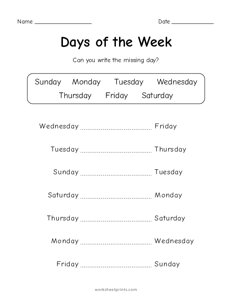
Write the Missing Day
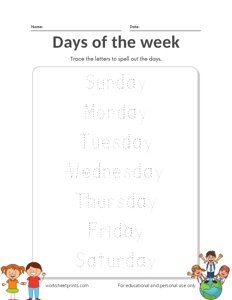
Days of the Week Tracing
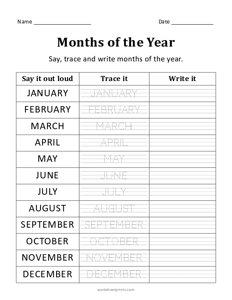
Trace and Write the Months
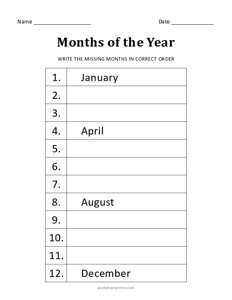
Write the Missing Months
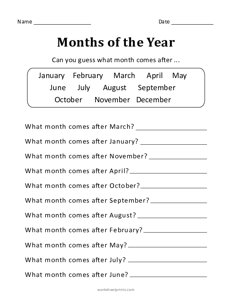
What Month Comes After
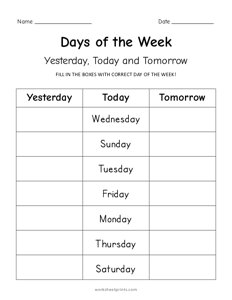
Yesterday, Today and Tomorrow
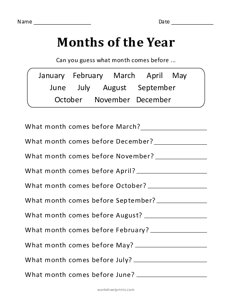
What Month Comes Before
Explore Time & Calendar Worksheets by Topic
Telling Time
Our telling time worksheets build clock-reading skills step by step, starting with whole hours before moving to half hours, a natural progression that mirrors how clock-reading is usually taught in the classroom.
Draw the Time
Once kids can read a clock, our draw the time worksheets flip the skill around, kids draw the hour and minute hands themselves, covering whole hours and 10-minute intervals. This active-recall approach reinforces reading skills from a different angle.
Calendar
Our calendar worksheets build a different but related skill: understanding days of the week and months of the year, including sequencing concepts like yesterday, today, and tomorrow, foundational skills for understanding schedules and planning ahead.
Time & Calendar Worksheets FAQ
What age do kids typically learn to tell time?
Most kids start learning to tell time to the whole hour in kindergarten or 1st grade, moving to half hours and more precise times by 1st and 2nd grade. Reading an analog clock is often harder for kids today since many grow up around digital clocks, so extra practice can help.
Should I teach days of the week and months of the year before or after telling time?
There's no strict order; many kids learn both around the same time in kindergarten and 1st grade, since they're related but distinct skills (reading a clock vs. understanding calendar sequence). Some parents find starting with the calendar easier, since it's less abstract than reading clock hands.
What's the benefit of "draw the time" worksheets over just reading a clock?
Drawing the time requires kids to actively place the hour and minute hands correctly, which reinforces the relationship between the numbers on a clock face and what they represent, often a deeper test of understanding than simply reading a time that's already shown.
How can I help my child practice telling time outside of worksheets?
Pointing out the time on a real analog clock throughout the day, or asking your child to predict what time an activity will happen, helps connect worksheet practice to real-life application.
