
Tracing Worksheets
Tracing is one of the first steps to writing. Kids trace lines, shapes, letters, and numbers to build the hand control they'll use for years to come. Pick a sheet, print it, and start tracing!
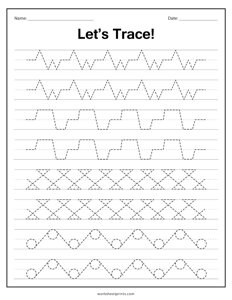
Let's Trace the Lines - #3
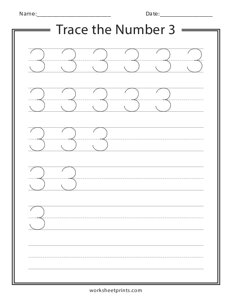
Trace the Number 3
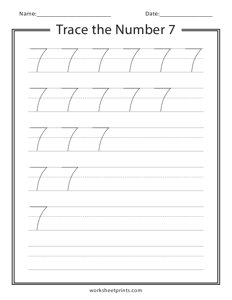
Trace the Number 7
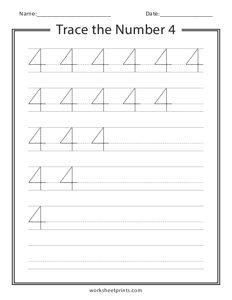
Trace the Number 4
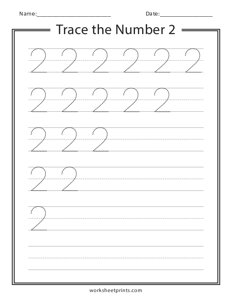
Trace the Number 2
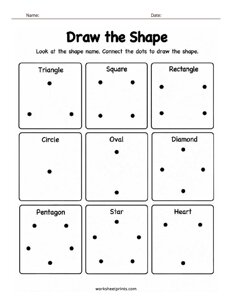
Draw the Shape
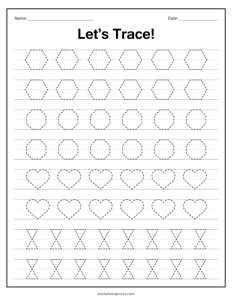
Let's Trace the Lines - #10
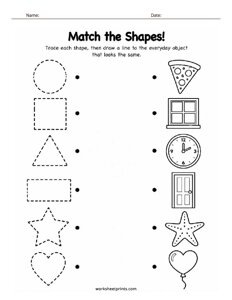
Trace and Match the Shapes
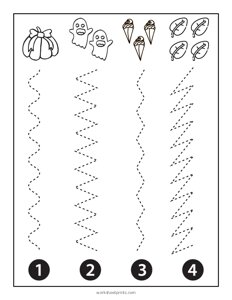
Trace the Lines to Reach the Mark
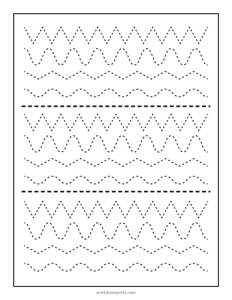
Trace the Lines
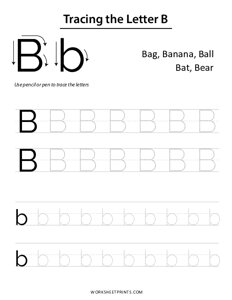
Letter Tracing - B
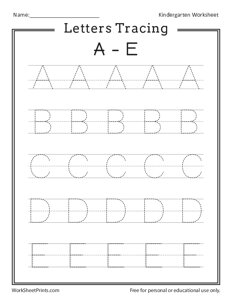
Letters Tracing A-E (Uppercase)
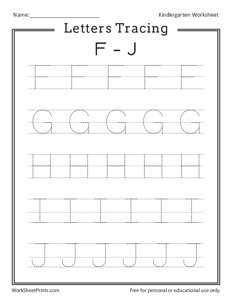
Letters Tracing F-J (Uppercase)
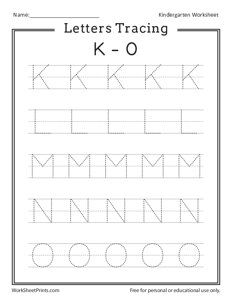
Letters Tracing K-O (Uppercase)
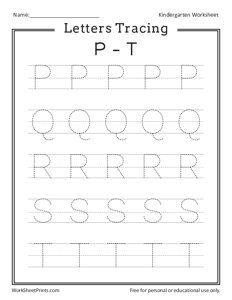
Letters Tracing P-T (Uppercase)
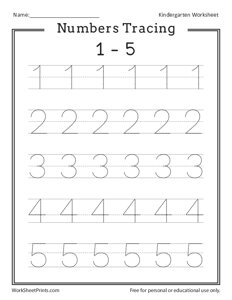
Number Tracing 1-5
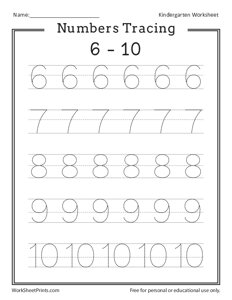
Number Tracing 6-10
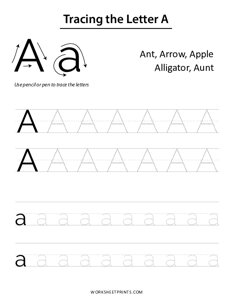
Letter Tracing - A
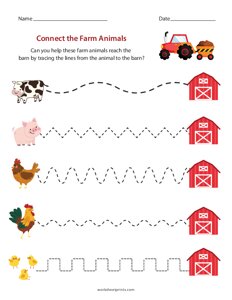
Farm Animals Tracing
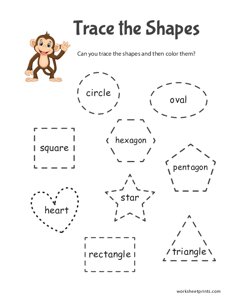
Tracing the Shapes
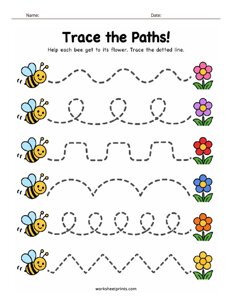
Trace the Bee's Path
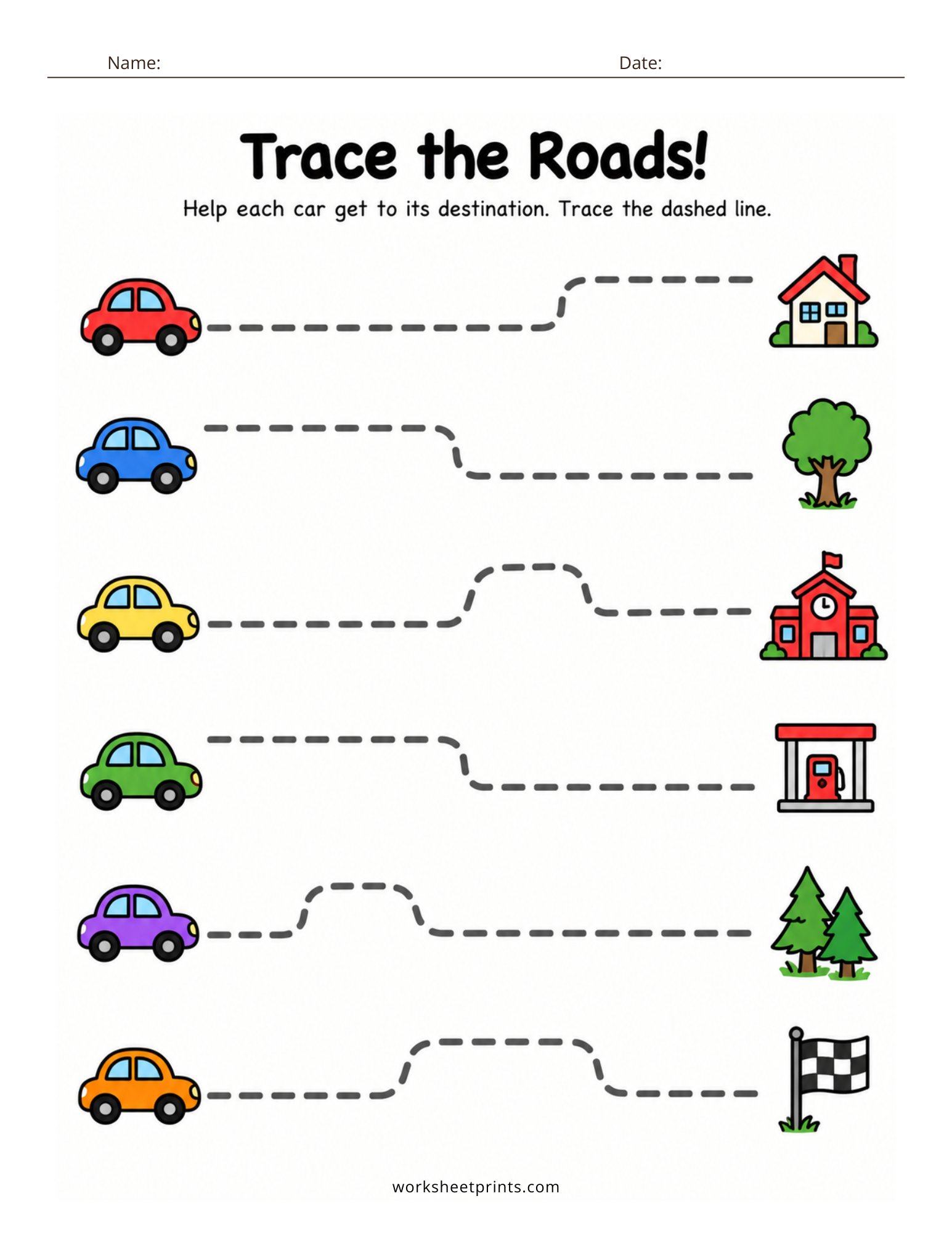
Why Tracing Matters
It Builds Pencil Control
Tracing teaches small hands to move slowly and stay on track. This same control helps kids write letters and numbers later.
It Comes Before Writing
Every letter and number is made of lines and curves. Kids who practice tracing first find writing much easier when the time comes.
It Builds Focus
Staying on a line takes concentration. Kids learn to slow down and pay attention, a skill that helps in every subject.
Our Tracing Worksheets
We have four kinds of tracing practice, from the very first strokes to full letters and numbers:
Line Tracing
The very first step. Kids trace straight lines, wavy lines, and zigzags with fun pictures along the way.
Shape Tracing
Circles, squares, triangles, and more. Tracing shapes teaches curves and corners and helps kids learn shape names too.
Letter Tracing
Trace every letter from A to Z, one letter per sheet. Great for learning the alphabet and how to form each letter.
Number Tracing
Trace numbers 1 to 20, one number per sheet. A simple way to learn how each number looks and feels to write.
Easy Ways to Practice at Home or in Class
Start with Lines and Shapes
If your child is just starting out, begin with lines and shapes before moving to letters and numbers. This builds the control they'll need.
Trace Big First
Before pencil and paper, trace in the air, in sand, or with a finger on a table. Big movements come first.
Hold the Pencil Right
Show your child how to hold the pencil between the thumb and first two fingers. A short pencil or fat crayon can make this easier for small hands.
Keep It Short
One sheet a day is plenty. Stop while it's still fun, and praise the effort, not just the result.
Frequently Asked Questions
What age should kids start tracing?
Most kids can start around age 3 with lines and shapes, and move on to letters and numbers by ages 4 and 5.
What order should we practice in?
Start with lines, then shapes, then letters and numbers. Each step builds the skills needed for the next.
My child doesn't stay on the lines. Is that normal?
Yes! Staying exactly on the line takes lots of practice. What matters most is that they keep trying.
Are these worksheets free?
Yes! Download and print as many as you need for home or the classroom.
Can I make my own worksheet?
Yes! Try our worksheet generator to make one that fits your child.
More Free Kindergarten Worksheets
Pick a sheet, print it, and start tracing!
