
Measurement Worksheets
Our measurement worksheets help kids build hands-on skills across three areas: length (comparing and estimating how long things are), capacity (comparing how much liquid something holds), and temperature (reading a thermometer in Fahrenheit or Celsius). Every worksheet downloads as a ready-to-print PDF.
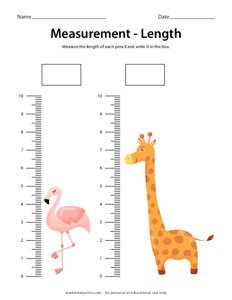
Giraffe Flamingo Length Measurement
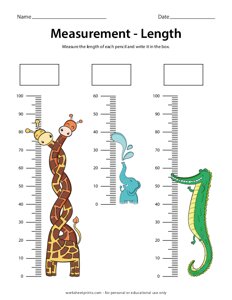
Measurement - Animals Length
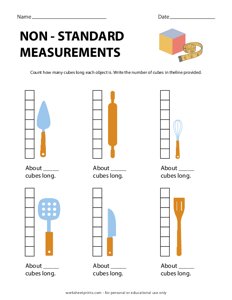
Non Standard Measurements - Kitchen
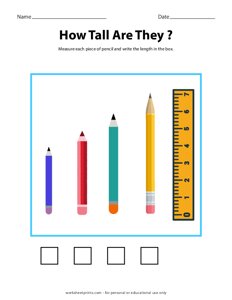
How Tall Are They?
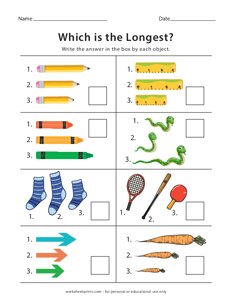
Longer or Shorter Worksheet #5
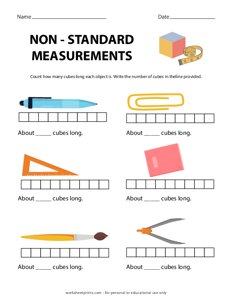
Non Standard Measurements - Stationery
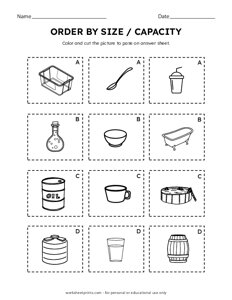
Sorting by Capacity - #4
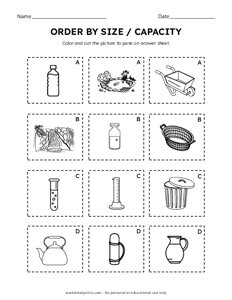
Sorting by Capacity - #5
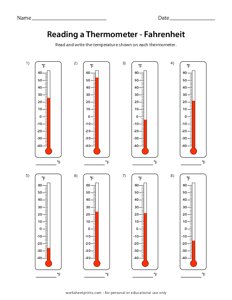
Reading a Thermometer (Fahrenheit) : -40F to 60F - #3
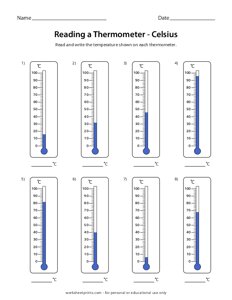
Reading a Thermometer (Celsius) : 0C to 100C - #2
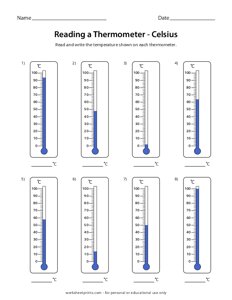
Reading a Thermometer (Celsius) : 0C to 100C - #1
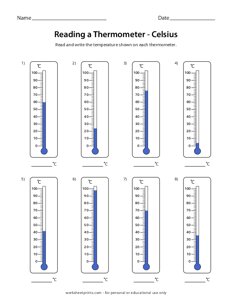
Reading a Thermometer (Celsius) : 0C to 100C - #3
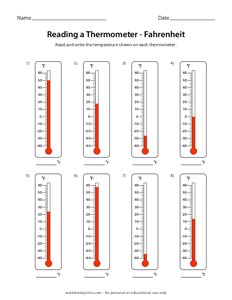
Reading a Thermometer (Fahrenheit) : -40F to 60F - #1
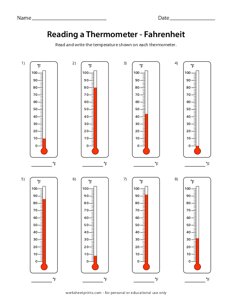
Reading a Thermometer (Fahrenheit) : 0F to 100F - #3
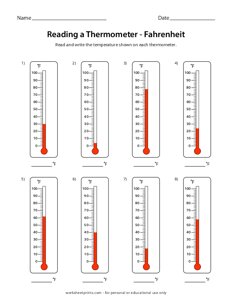
Reading a Thermometer (Fahrenheit) : 0F to 100F - #2
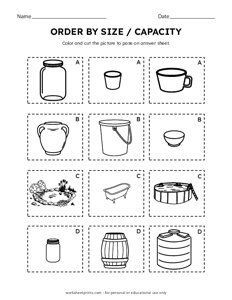
Sorting by Capacity - #1
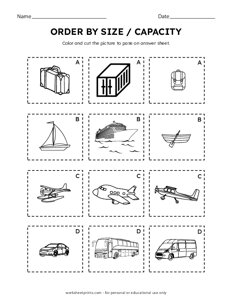
Sorting by Capacity - #2
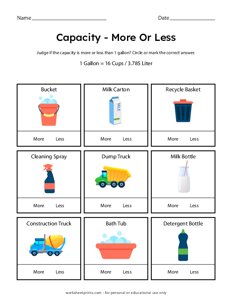
Capacity: More or Less than 1 Gallon - #1
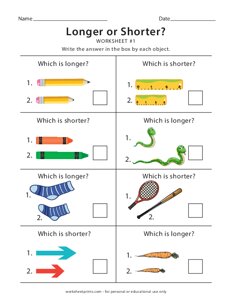
Longer or Shorter Worksheet #1
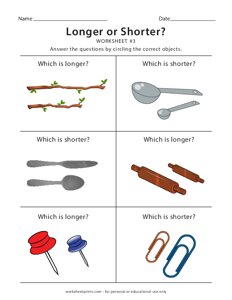
Longer or Shorter Worksheet #3
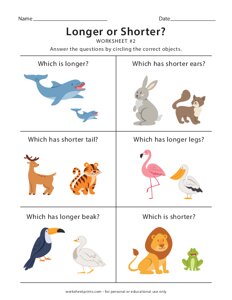
Longer or Shorter Worksheet #2
There are three main types of measurement in this section: length, capacity, and temperature. The metric system uses metric units for length and capacity, while the US customary system uses customary units. Temperature can be measured in Fahrenheit or Celsius, depending on the system you use.
What is measurement?
A measurement is a number that tells us how much of something there is. For example, if we measure the length of a table, we might say it is two meters long — meaning the table is two times as long as a meter. Some common measurement tools include rulers, tape measures, measuring cups, and thermometers.
Length
Our length worksheets include estimating length and non-standard measurements, where kids measure objects using everyday items like paperclips or blocks before moving to standard units.
Capacity
Our capacity worksheets include sorting by capacity and comparing amounts more or less than a gallon, building an intuitive sense of volume.
Temperature
Our temperature worksheets help kids read a thermometer in Fahrenheit or Celsius, connecting a practical everyday skill to number reading practice.
Measurement Worksheets FAQ
What's the difference between standard and non-standard measurement?
Non-standard measurement uses everyday objects (like paperclips or blocks) to measure length, which helps young kids grasp the concept of measurement before introducing standard units like inches or centimeters. Standard measurement uses consistent, universal units that allow for accurate comparison.
Should I teach metric or customary units first?
This usually depends on where you live and what your child's school teaches. Customary units (inches, gallons, Fahrenheit) are standard in the US, while metric units (centimeters, liters, Celsius) are used almost everywhere else. Many worksheets can be adapted to either system.
What age should kids start learning to read a thermometer?
Most kids are introduced to basic temperature reading in 1st or 2nd grade, once they're comfortable reading numbers on a scale, which connects directly to skills built through number line and counting practice.
How can I make measurement more hands-on at home?
Let kids measure real objects with a ruler or measuring cup, or check the temperature outside with a real thermometer — connecting worksheet practice to tools they can actually use themselves.
